 En
En Tr
Tr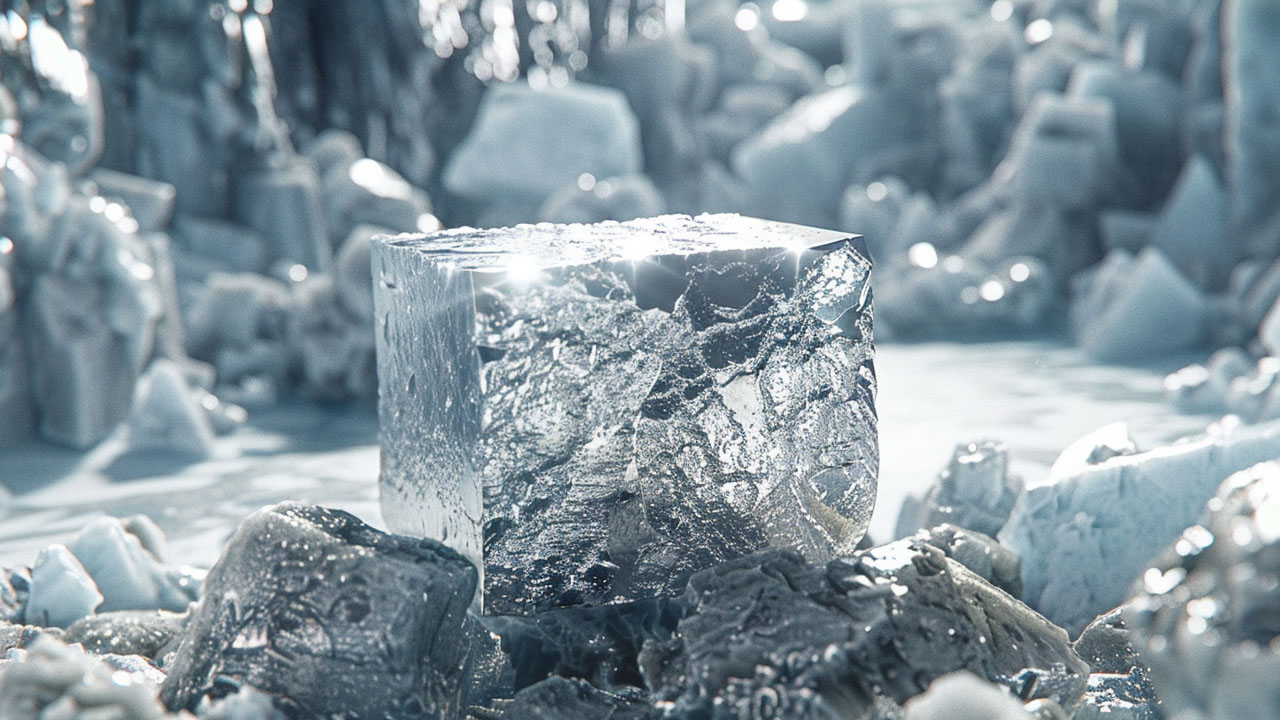
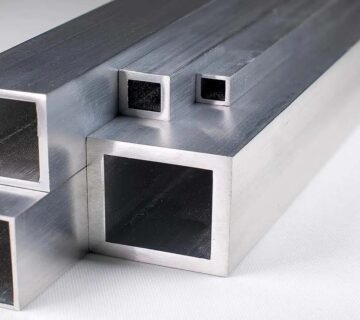
Aluminum is the third most abundant element on Earth and is an important metal used in many different sectors due to its lightness, durability, and versatility. From airplanes to buildings, cars to packaging, aluminum is used in a wide range of products. These properties make aluminum an ideal material for a sustainable environment. Thanks to its recyclability, aluminum helps conserve natural resources and reduce waste.
What is Aluminum?
Aluminum is a chemical element with the symbol Al and atomic number 13. It is a silvery, ductile, and lightweight metal. It is the third most common element in the Earth’s crust and the most abundant metal.
The Aluminum Element
Aluminum was discovered in 1825 by Danish physicist Hans Christian Ørsted and first produced in 1827 by German chemist Friedrich Wöhler. Its lightness and durability make it an essential material in industries such as aviation and automotive. Aluminum has a melting point of 660°C. When exposed to air, it forms a layer of alumina, which protects it against corrosion. Aluminum is also highly recyclable and can be painted in many colors, offering various aesthetic possibilities.
Which Group Does Aluminum Belong To?
Aluminum is in group 13 of the periodic table, also known as the Boron Group or Triel Group. Elements in this group typically have metallic character and possess three valence electrons. Among them, aluminum is the most common and widely used element.
How Many Types of Aluminum Are There?
Aluminum can be used in pure form or as an alloy with other elements, which gives it different properties. There are 9 main groups of aluminum alloys, classified according to their main alloying element:
Aluminum Series (Alloys)
1xxx Series: Pure aluminum; high corrosion resistance, electrical conductivity, and ductility.
2xxx Series: Copper as the main alloying element; high strength and machinability.
3xxx Series: Manganese; corrosion resistance and machinability.
4xxx Series: Silicon; used in casting alloys.
5xxx Series: Magnesium; lightweight, high-strength alloys.
6xxx Series: Magnesium and silicon; heat-treatable alloys.
7xxx Series: Zinc; high strength and corrosion resistance.
8xxx Series: Other elements; special-purpose alloys.
9xxx Series: Recycled aluminum alloys.
We will discuss aluminum series in more detail in another article.
Where is Aluminum Used?
Thanks to its lightness, durability, and versatility, aluminum is used in many different fields:
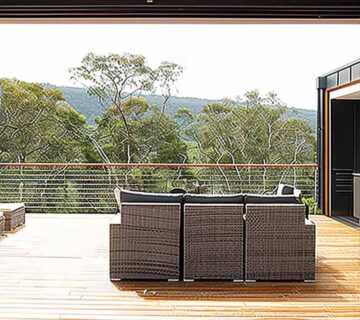
- Construction: windows, doors, roofing materials, structural elements
- Aerospace: aircraft bodies, wings, and parts
- Automotive: car bodies, wheels, and components
- Packaging: beverage cans, food containers
- Electronics: device casings and components
- Other: sports equipment, kitchenware, furniture, and more
Its recyclability also makes aluminum a sustainable material, conserving natural resources and reducing waste.
Examples of aluminum uses:
- Aircraft: Used for bodies, wings, and parts. Its lightness improves efficiency and fuel economy.
- Cars: Used for bodies, wheels, and parts, reducing weight and emissions.
- Buildings: Windows, doors, roofs, and structural elements; its durability extends building lifespans.
- Beverage cans: Lightweight and recyclable, ideal for cans.
- Food packaging: Keeps food protected and fresh.
Aluminum is a vital metal for modern life due to its lightness, durability, versatility, and recyclability.
Where is Aluminum Found?
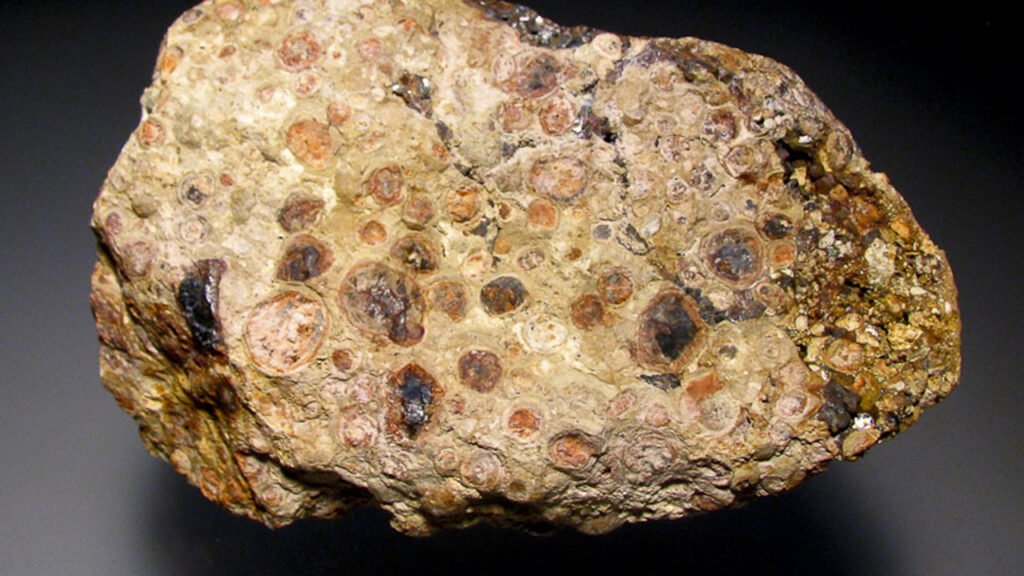
Aluminum is the third most abundant element in the Earth’s crust, mainly found as the mineral bauxite. Bauxite is a type of laterite rock containing aluminum along with iron, silica, and titanium.
The countries with the largest bauxite reserves are:
- Australia
- Guinea
- Brazil
- China
- India
Bauxite is processed into alumina (aluminum oxide) and then converted into aluminum via electrolysis.
Where is Aluminum Found in Turkey?
Bauxite deposits in Turkey are mainly found in:
Seydişehir (Konya): The largest and highest quality reserve, used for aluminum production.
Akseki (Antalya): The second largest, also of high quality.
Milas (Muğla): Lower quality, used in cement production.
Tufanbeyli (Adana): Contains iron, used in steel production.
Saimbeyli (Adana): Contains both aluminum and iron, used for both aluminum and steel.
Turkey produces about 2 million tons of bauxite and 600,000 tons of aluminum annually. The Eti Aluminum facility in Seydişehir is Turkey’s only aluminum producer. Most of the country’s aluminum needs are met through imports.
Aluminum and the Environment
Aluminum is indispensable for modern life, but its production and use have environmental impacts. Below, we examine its effects from production to recycling.
Environmental Effects of Aluminum Use
Aluminum is durable and can be used for many years. However, if not recycled, discarded aluminum can accumulate in landfills, causing soil and water pollution.
Recycling Aluminum
Aluminum is recyclable and requires much less energy to produce from recycled material than from raw ore. Recycling aluminum is one of the most important ways to reduce its environmental impact.
How to Reduce Aluminum’s Environmental Impact
- Increase recycling rates for aluminum products
- Develop aluminum production methods that use less energy
- Extend the service life of aluminum products
Aluminum is a vital metal for the modern world. Developing more sustainable methods for its production and use is important to reduce its impact on the environment.