 En
En Tr
Tr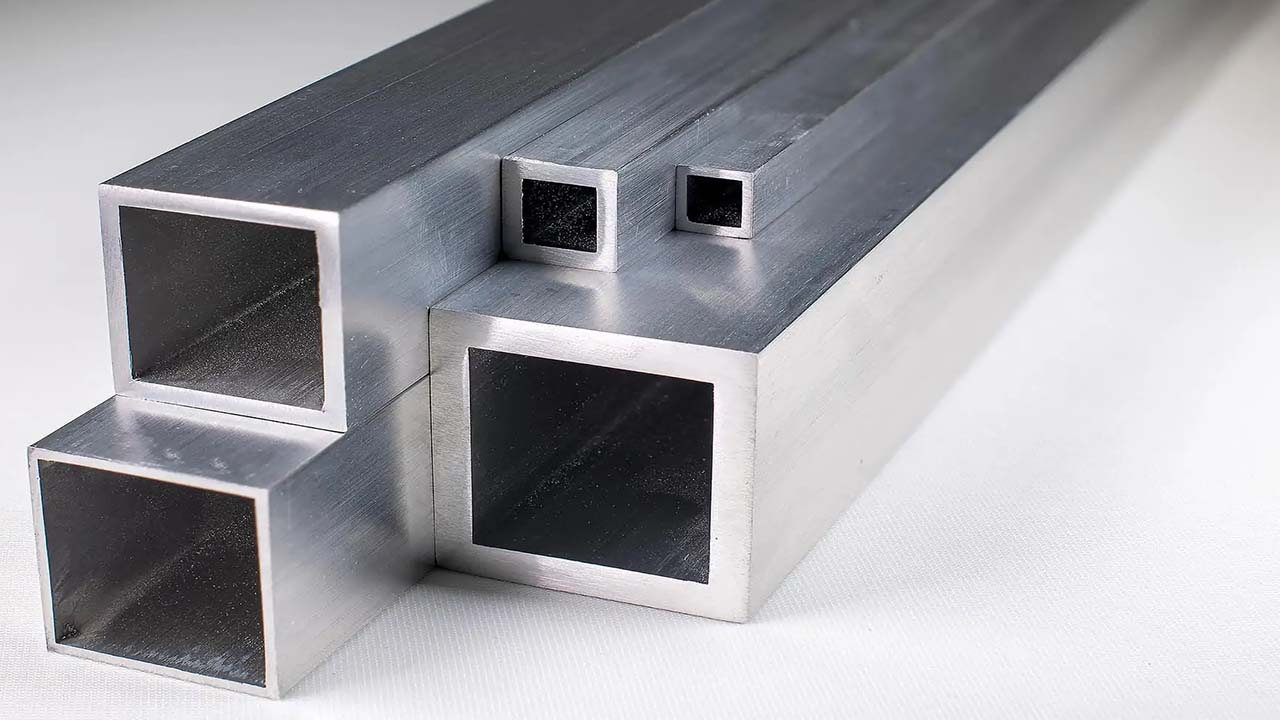
Aluminum box profiles are hollow, four-sided structural materials, usually with a square or rectangular cross-section. They are produced by precisely cutting and bending aluminum sheets or through extrusion, where molten aluminum is pushed through specially designed molds. These production processes allow box profiles to be customized in different sizes, wall thicknesses, and alloy properties, making them suitable for a wide range of applications.
Aluminum Box Profile Dimensions
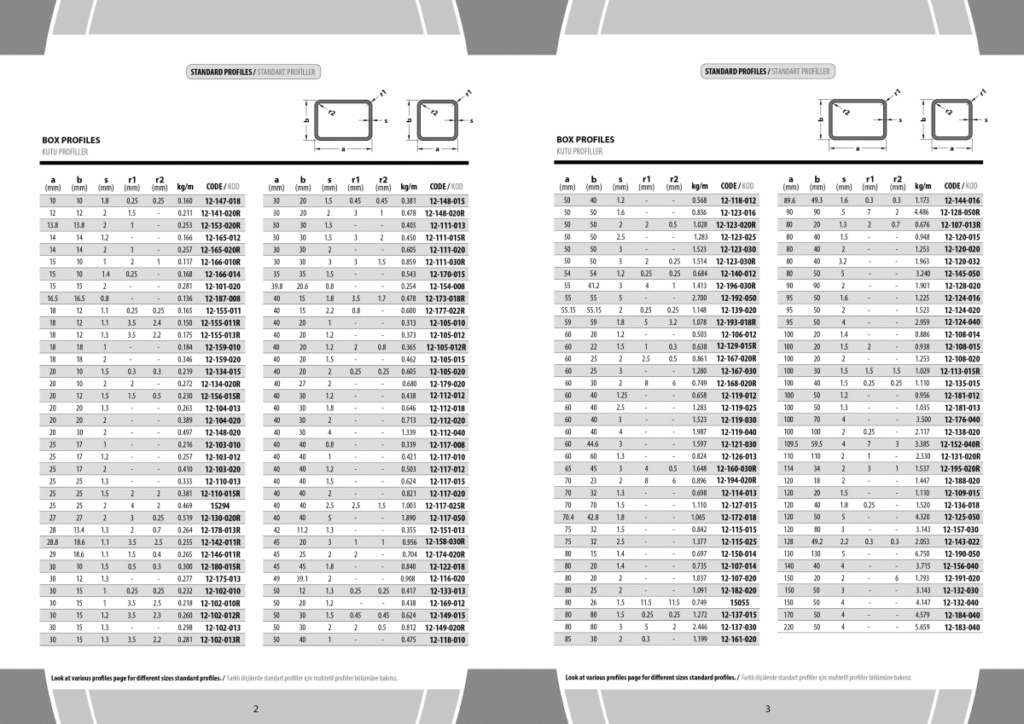
Aluminum box profiles are manufactured in various sizes and shapes to meet different needs. The profile dimensions are usually expressed by three main parameters: width, height, and wall thickness. Aluminum box profiles are produced in a wide range of sizes for various industrial and architectural applications. The dimensions of the profile are chosen based on load capacity and intended use. Standard dimensions used at Kurtoğlu Aluminum include:
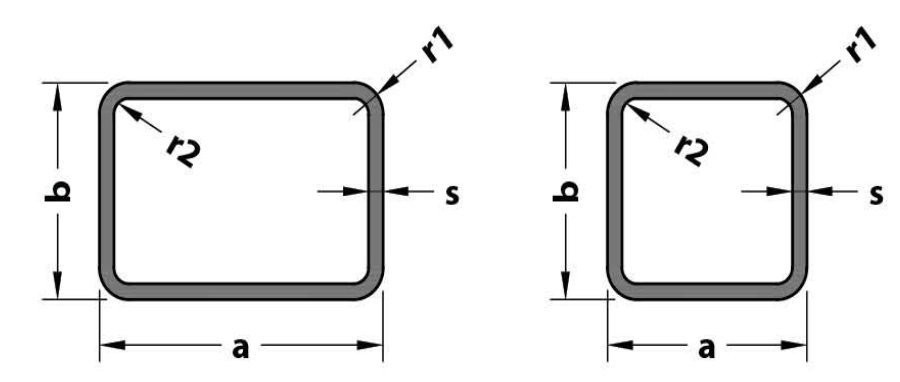
Width (a): Refers to the length of the horizontal side of the profile.
Height (b): Refers to the length of the vertical side of the profile.
Wall Thickness (s): Indicates the thickness of the profile wall.
Corner Radii (r1, r2): Represents the radius of rounded corners on the profile. Some profiles have the same corner radii, while others may vary. Some profiles may have no corner radius.
Length: Refers to the total length of the profile. They are typically produced in standard lengths such as 3 or 6 meters, but custom lengths can also be supplied upon request.
Where Are Aluminum Box Profiles Used?
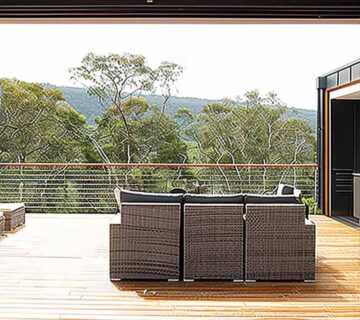
Thanks to their lightness and durability, aluminum box profiles are used in many fields. In construction and architectural applications, they are commonly preferred for building claddings, window and door frames, railings, and roof systems. In furniture and interior design, they are used in furniture frames and decorative panel applications. In the automotive and transportation sector, they are found in vehicle bodies and transport containers; in industry and manufacturing, they are used in machinery, equipment production, and warehouse shelving systems. In advertising and promotion, they are used for signboards and stands, while in the electrical and electronics sector, they can be used for electrical panels and cable trays. Due to their light weight, resistance to corrosion, and aesthetic appearance, these profiles are favored in many areas.
Aluminum Box Profile Prices
The price of aluminum box profiles is determined by a complex interaction of various factors. These factors include not only the technical specifications of the profile but also market conditions and supply chain dynamics.
Technical Specifications of the Profile
- Dimensions (Width, Height, Wall Thickness): As the dimensions of the profile increase, the amount of material used and, therefore, the price also increase. Wall thickness similarly affects the price.
- Length: The length of the profile directly impacts the amount of material and the price. Profiles produced in standard lengths (usually 6 meters) may be more economical than custom lengths.
- Alloy Type: Aluminum box profiles can be produced from different alloys. The properties of the alloy (strength, corrosion resistance, machinability, etc.) and its rarity affect the price.
- Surface Treatments: Surface treatments such as anodizing, painting, or powder coating improve the appearance and durability of the profile but also increase the cost.
Market Conditions
- Aluminum Prices: Aluminum is a metal traded on global commodity markets. Fluctuations in aluminum prices directly affect box profile prices.
- Energy Costs: Aluminum production is energy-intensive. Increases in energy costs can raise production expenses and, therefore, profile prices.
- Supply and Demand: As demand for aluminum box profiles increases or supply decreases, prices can rise.
- Competition: The level of competition in the market also affects prices. More manufacturers and suppliers generally mean more competitive prices.
Supply Chain Dynamics
- Production Costs: Costs in the production process (labor, raw materials, energy, etc.) affect profile prices.
- Shipping Costs: The cost of transporting the profile from the production site to the point of sale is reflected in the price.
- Distributor and Seller Margins: Distributors and sellers add their own profit margins to the products.
Other Factors
- Order Quantity: Unit prices are usually lower for bulk purchases.
- Payment Terms: Discounts may be offered for cash payments or specific payment conditions.
- Customer Relations: Special prices may be provided for long-term customers or large projects.
Aluminum box profile prices result from the complex interplay of many factors. By understanding these, you can select the profile that best fits your needs and budget. When requesting price quotes, it’s important to compare different suppliers and get detailed information. Remember, the lowest price isn’t always the best option; factors such as quality, reliability, and service should also be considered. We recommend consulting our company for expert advice on this matter.